Class Details
- Now Available
- Beginner
- Total 24 videos, 41Hours 8Minutes
- Korean
- English, Traditional Chinese [Auto]
- Class materials included
16 Class Exercises
Part 01. Practice exercises
 Speed and Weight 1
- Speed and Weight 2
- Capturing the Properties of an Object
- Liquid vs. Gas
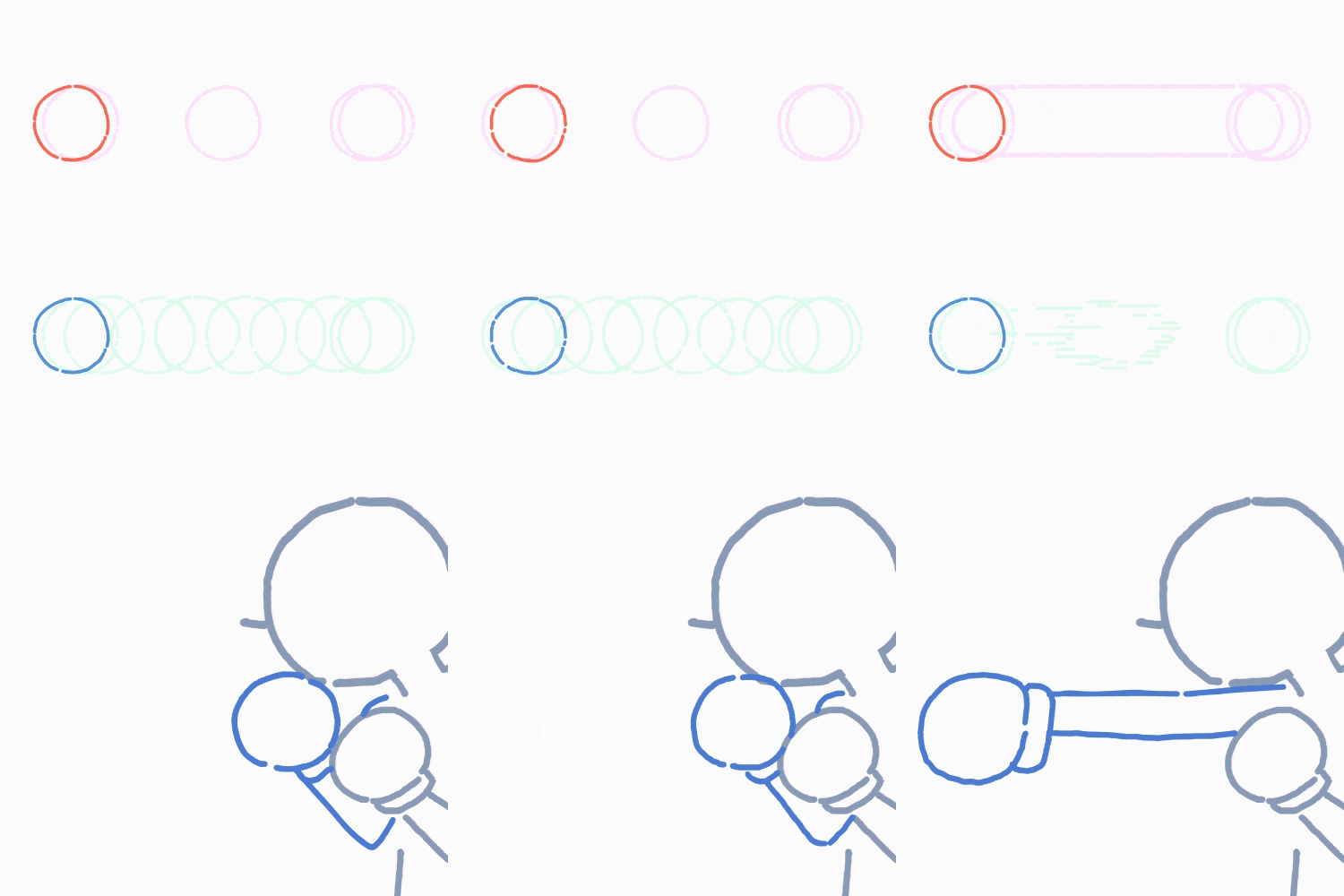 Speed and Weight 1
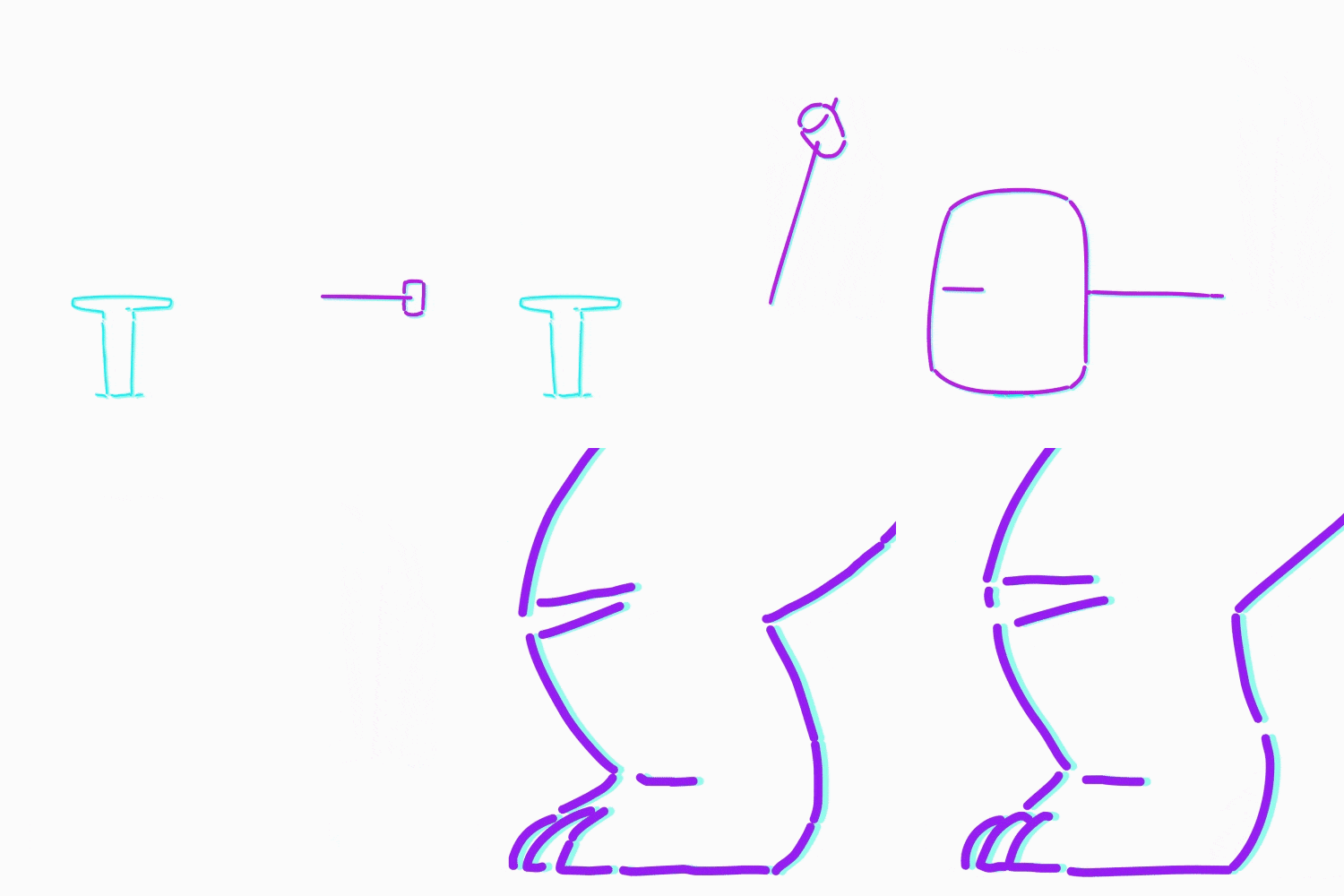 Speed and Weight 2
 Capturing the Properties of an Object
 Liquid vs. Gas
next
- Impact vs. Destruction
- Dealing with Characters
- Morphing
- Morphing: Compounds
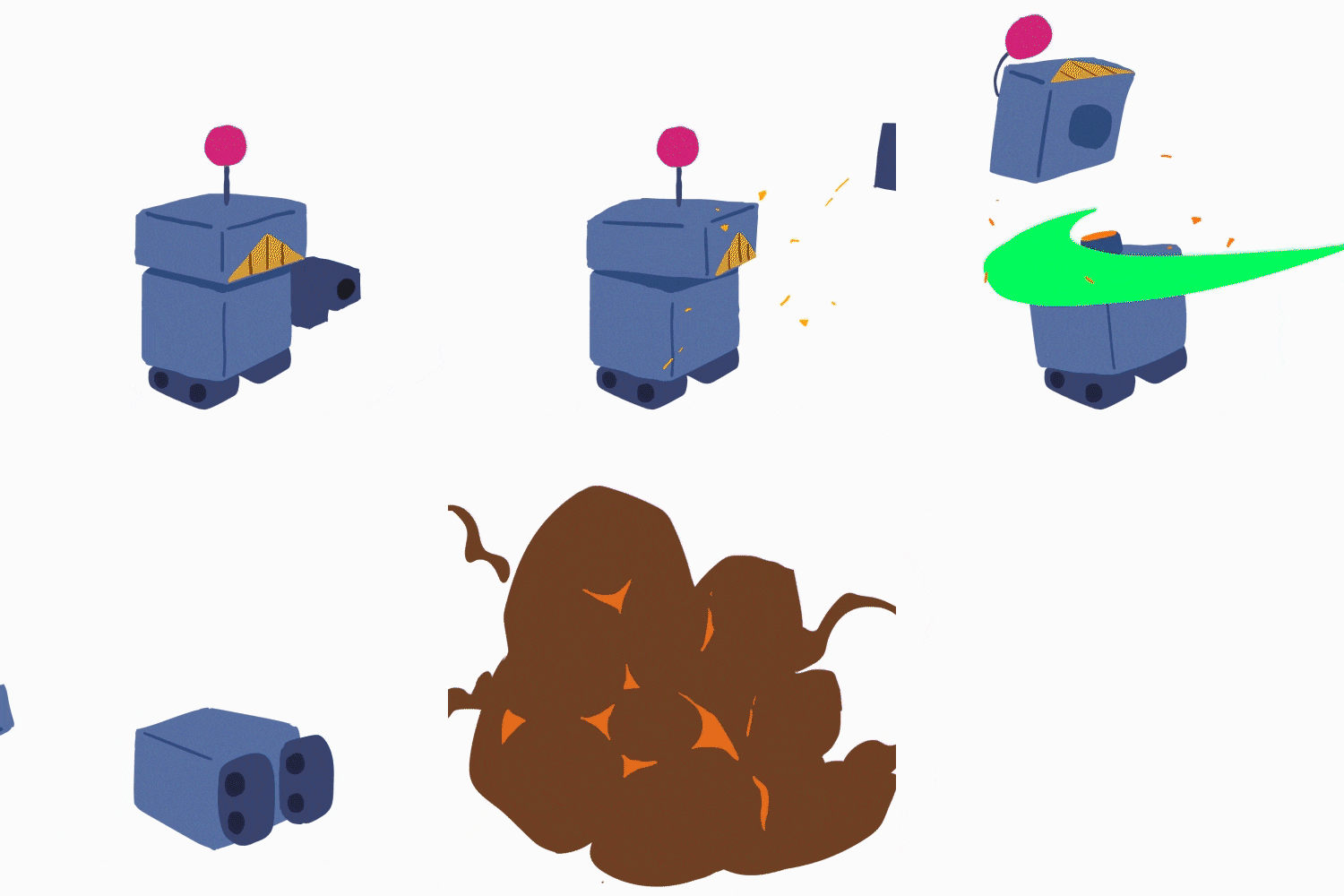 Impact vs. Destruction
 Dealing with Characters
 Morphing
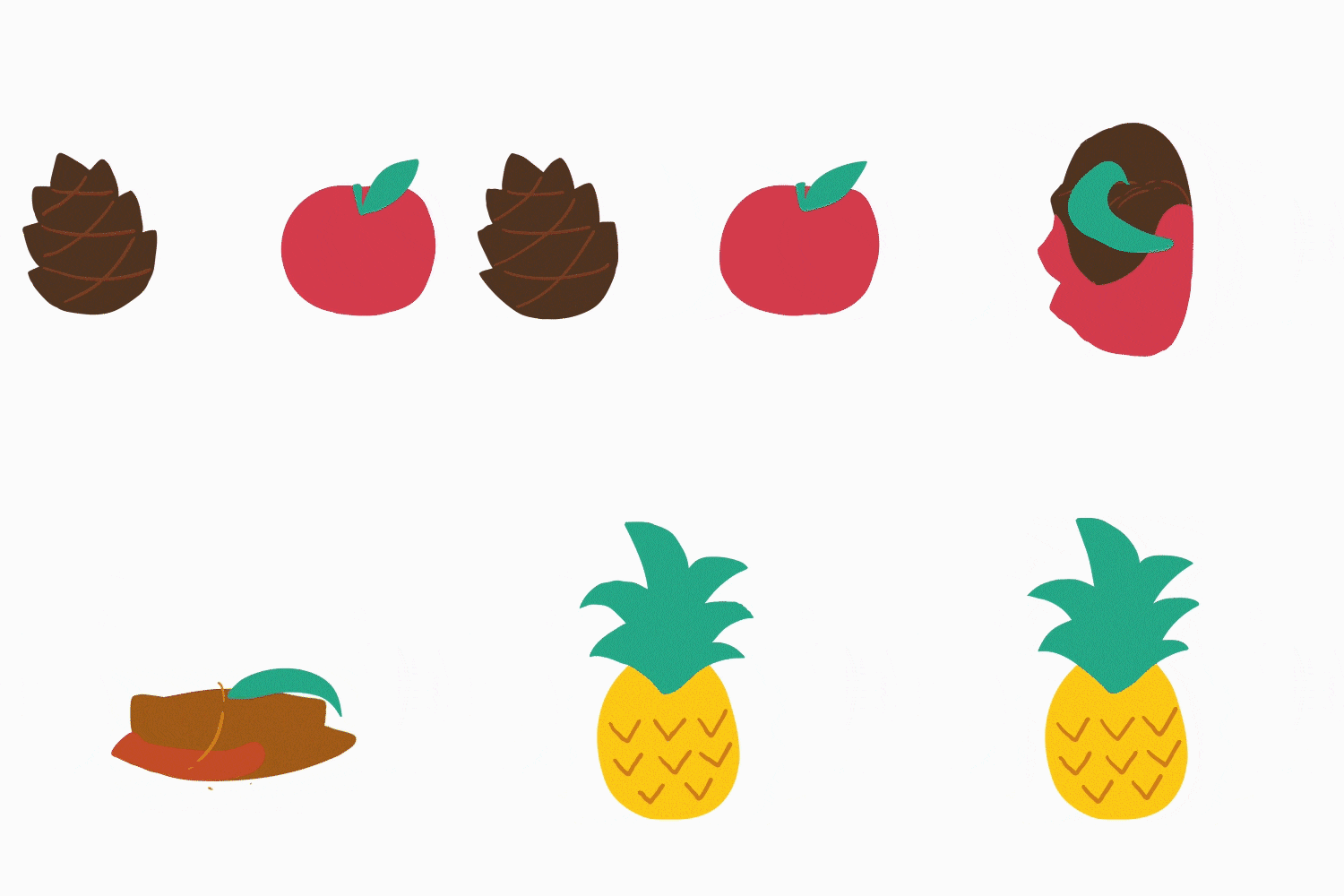 Morphing: Compounds
next
- Morphing: Natural Elements 1
- Morphing: Natural Elements 2
- Morphing: Characters
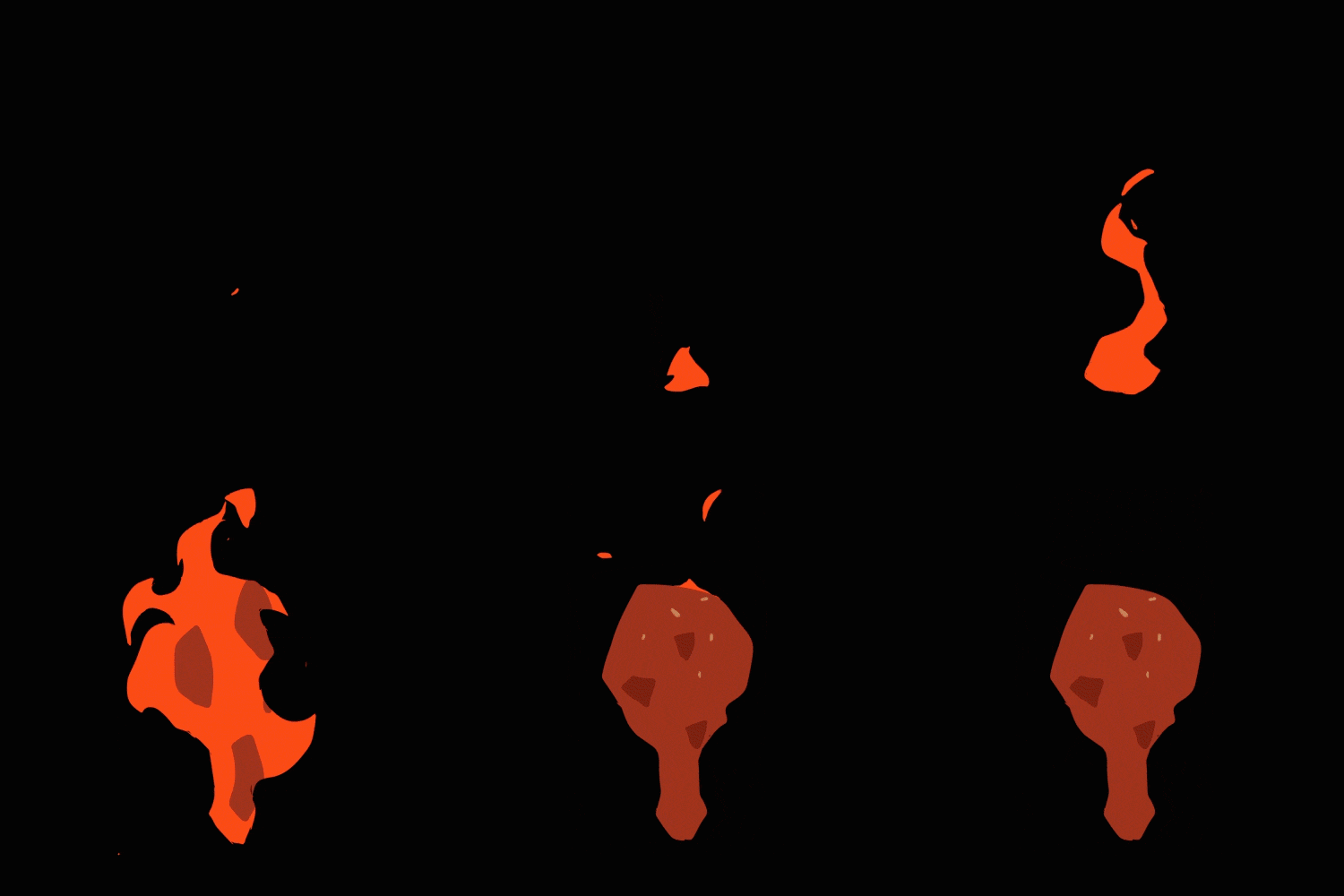 Morphing: Natural Elements 1
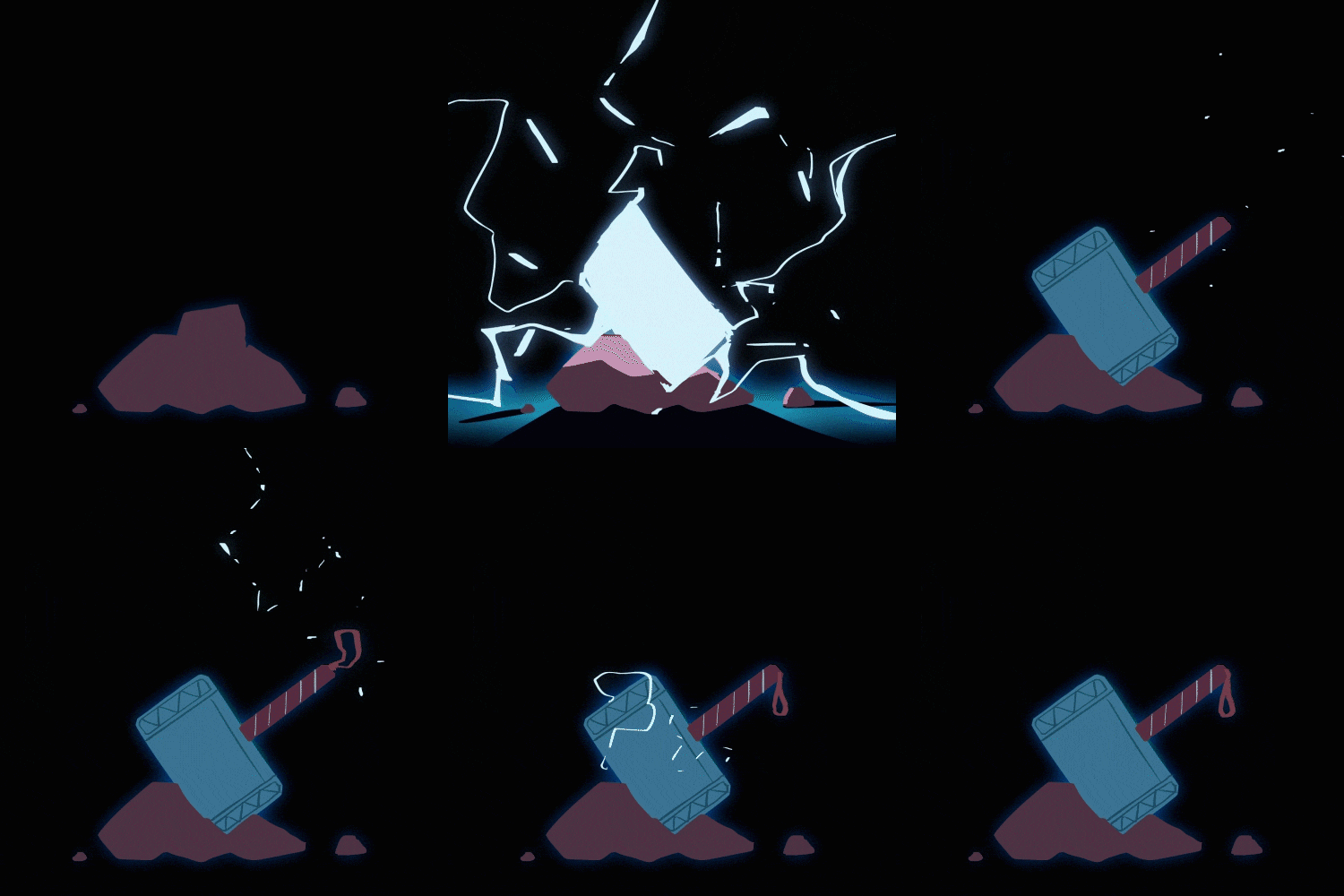 Morphing: Natural Elements 2
 Morphing: Characters
Part 02. Practical examples

Example 1: Morphing
Moving objects against their natural properties
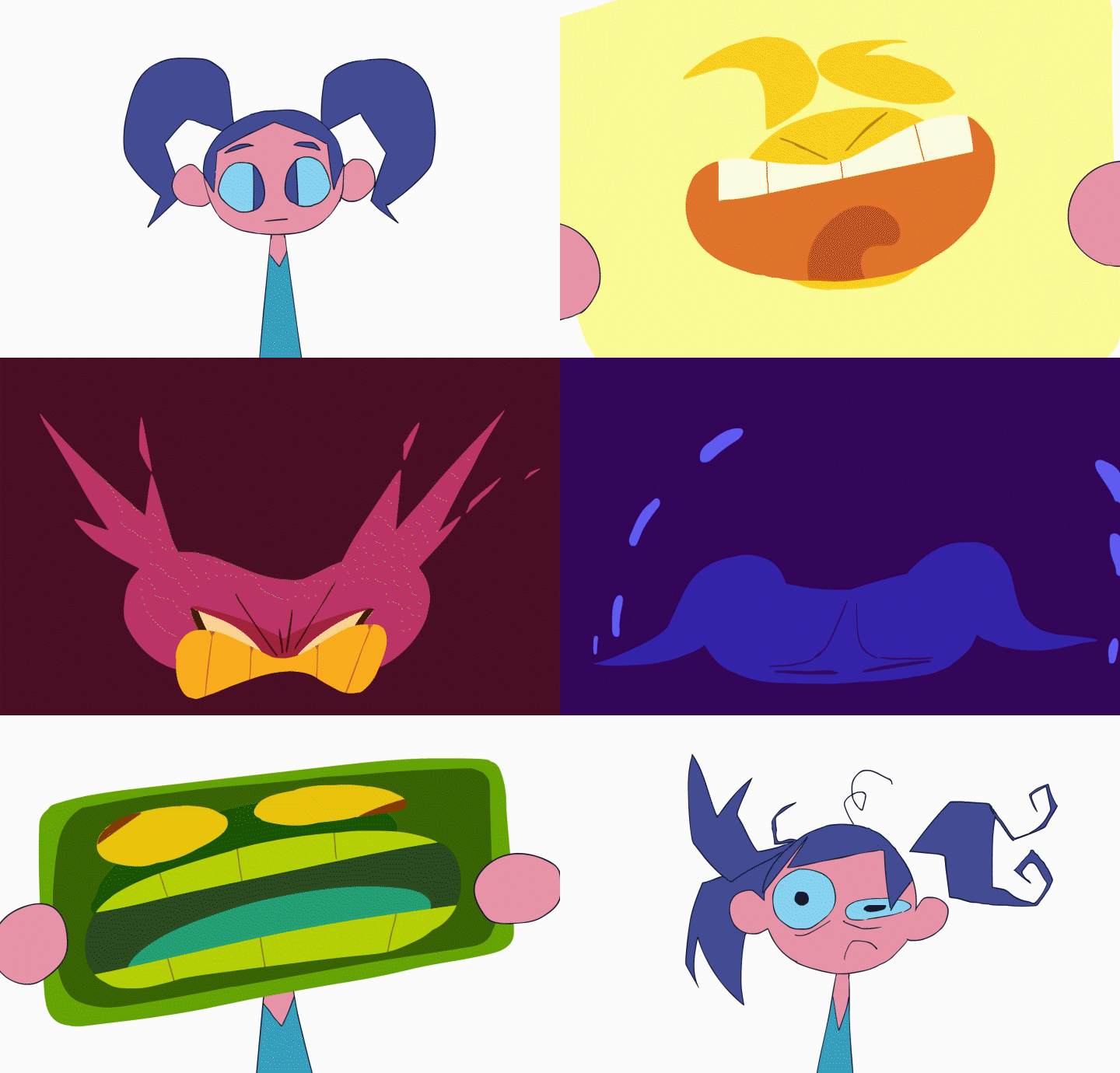
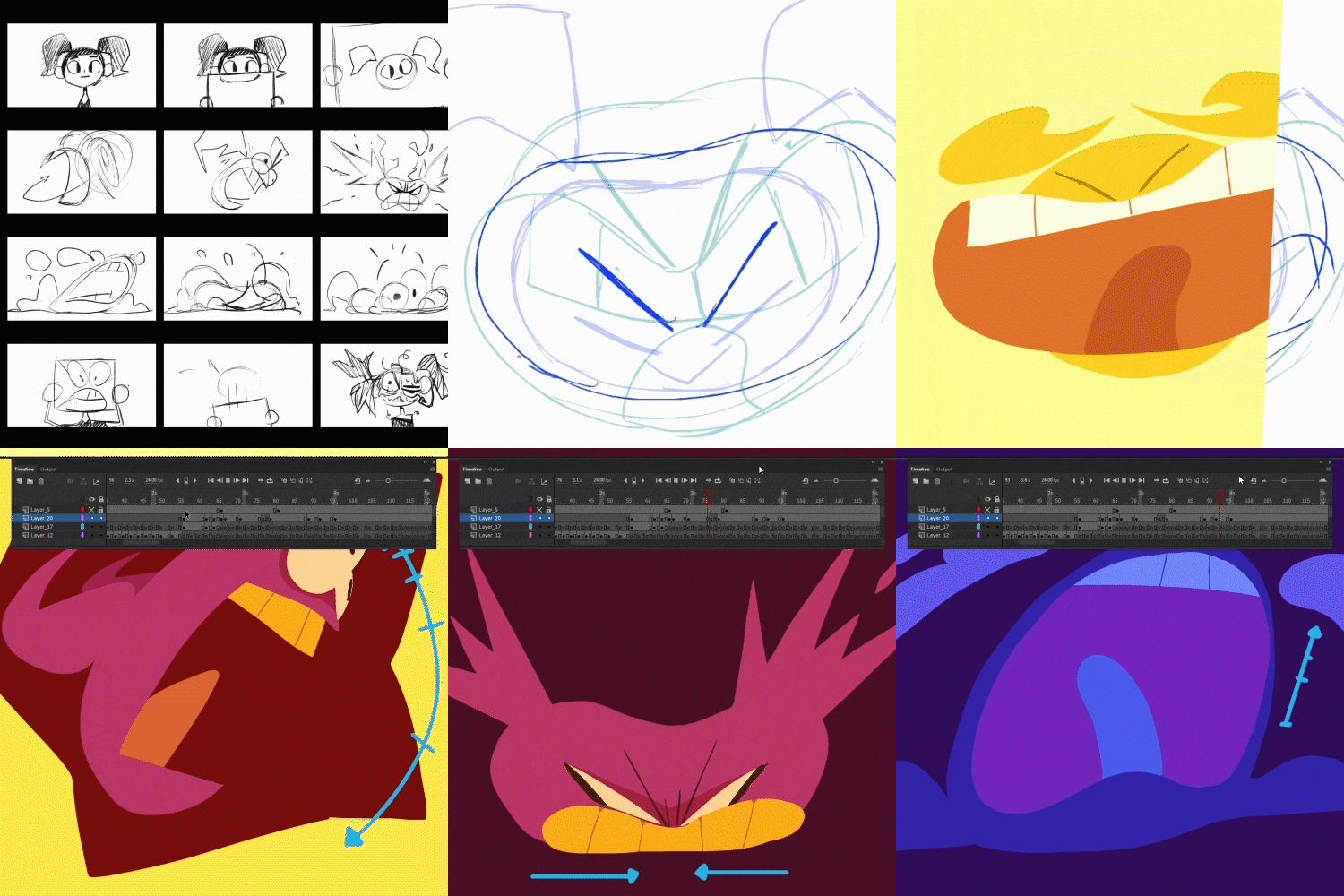
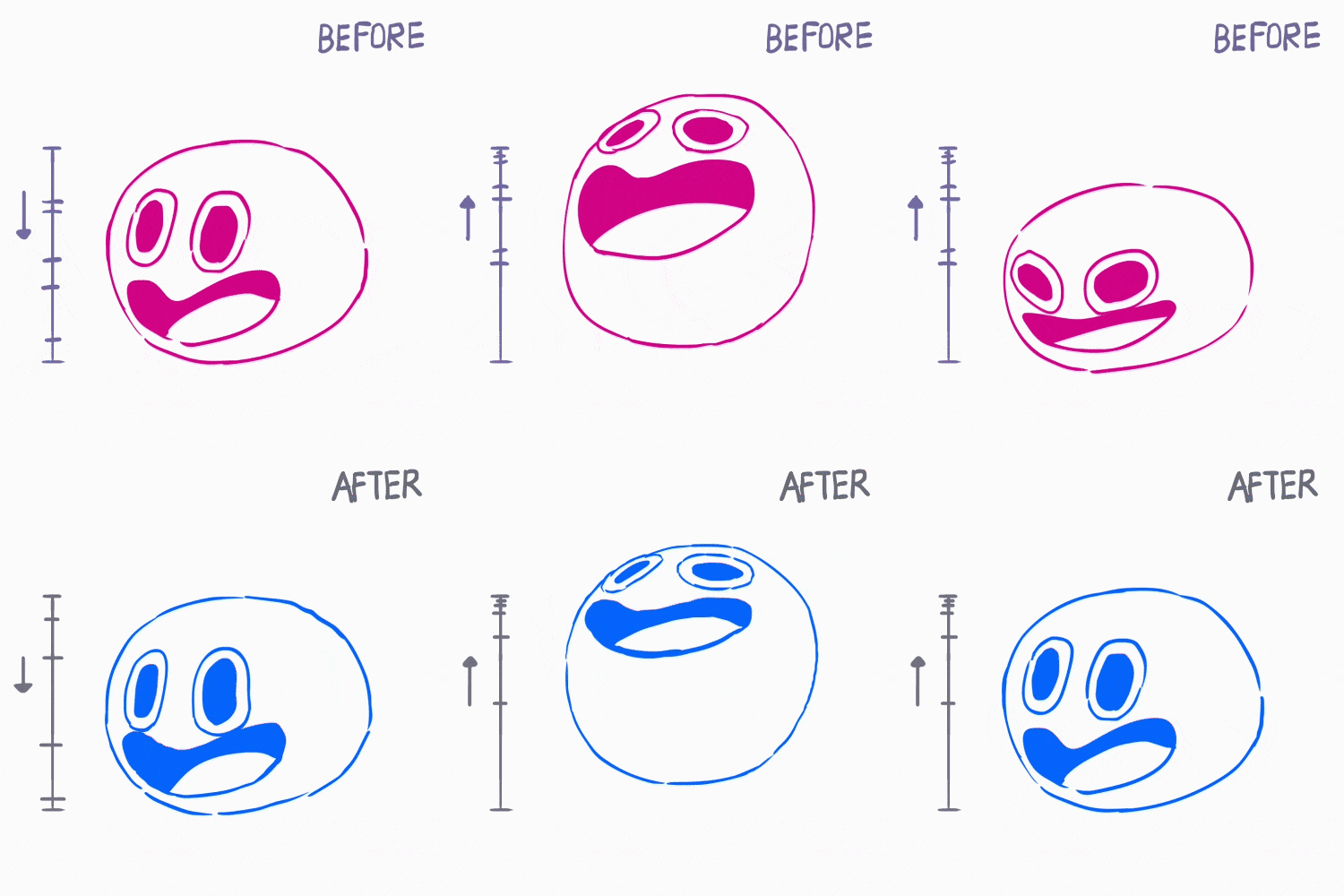
Example 2: Emotion Morphing
Changing the facial expressions of a character

Example 3: Making Burger
Featuring a variety of objects to make it more complicated

Example 4: Inspiration
Amorphous transformation without restraints
You’ll Learn
- Building up a foundation in animation with the Frame by Frame techniqueStarting with the 12 basic principles of animation, we will go over how weight, gravity, rhythm, timing, and more work in animation. You will also learn the characteristics, benefits, and techniques of digitalization used during traditional animation production methods.
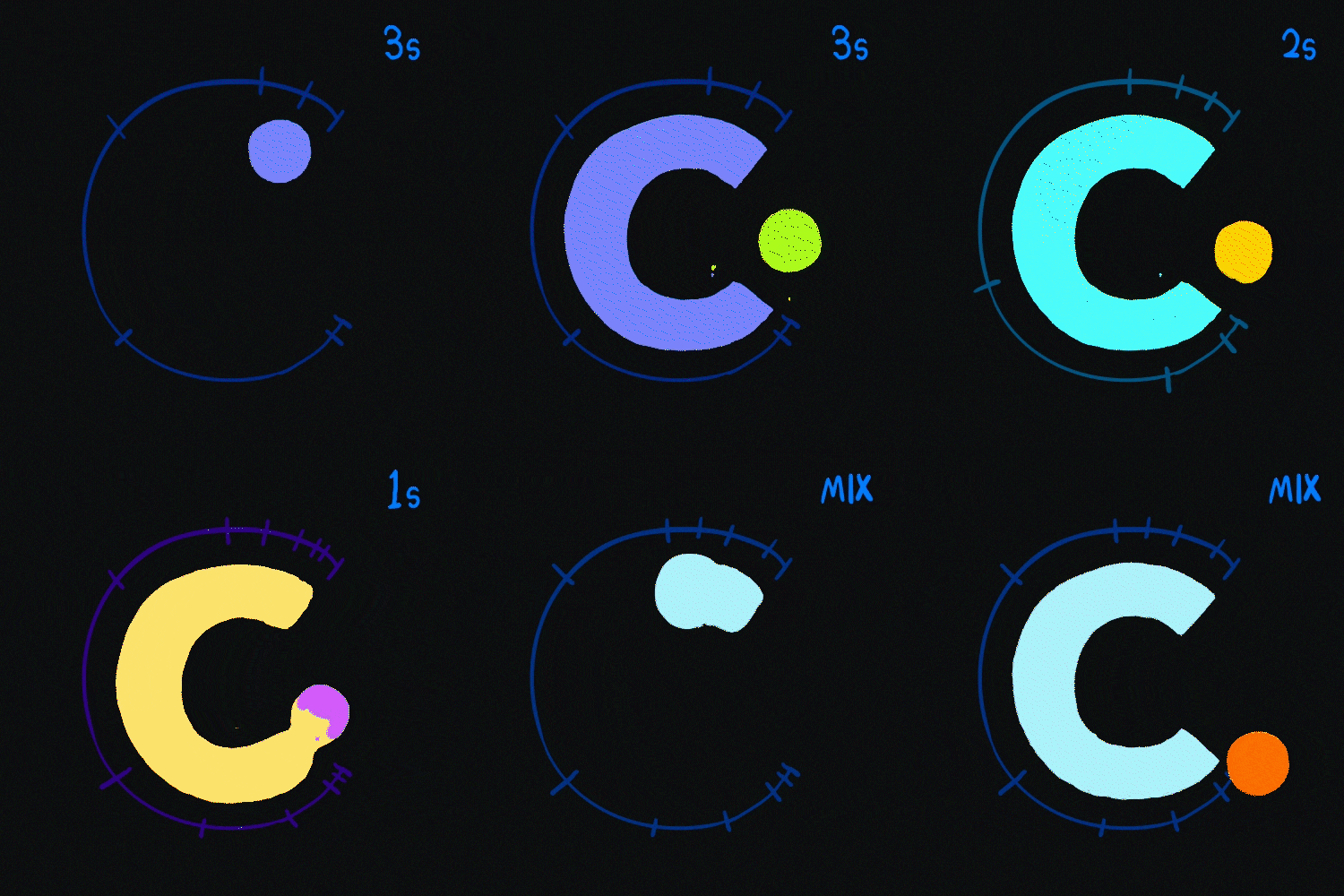
- Understanding and utilizing the frame for 2D animationExplore different frame techniques used in standard 24 fps animation: full-frame, 2s-, 3s-, limited animation, and more. Based on this knowledge, you can discover the frame technique suitable for the movement you’d like to deliver.
- Types of animation that help convey movementWe will explore and analyze the movements of an object with different traits: speed, weight, textures, states of matter, impact, and destruction.
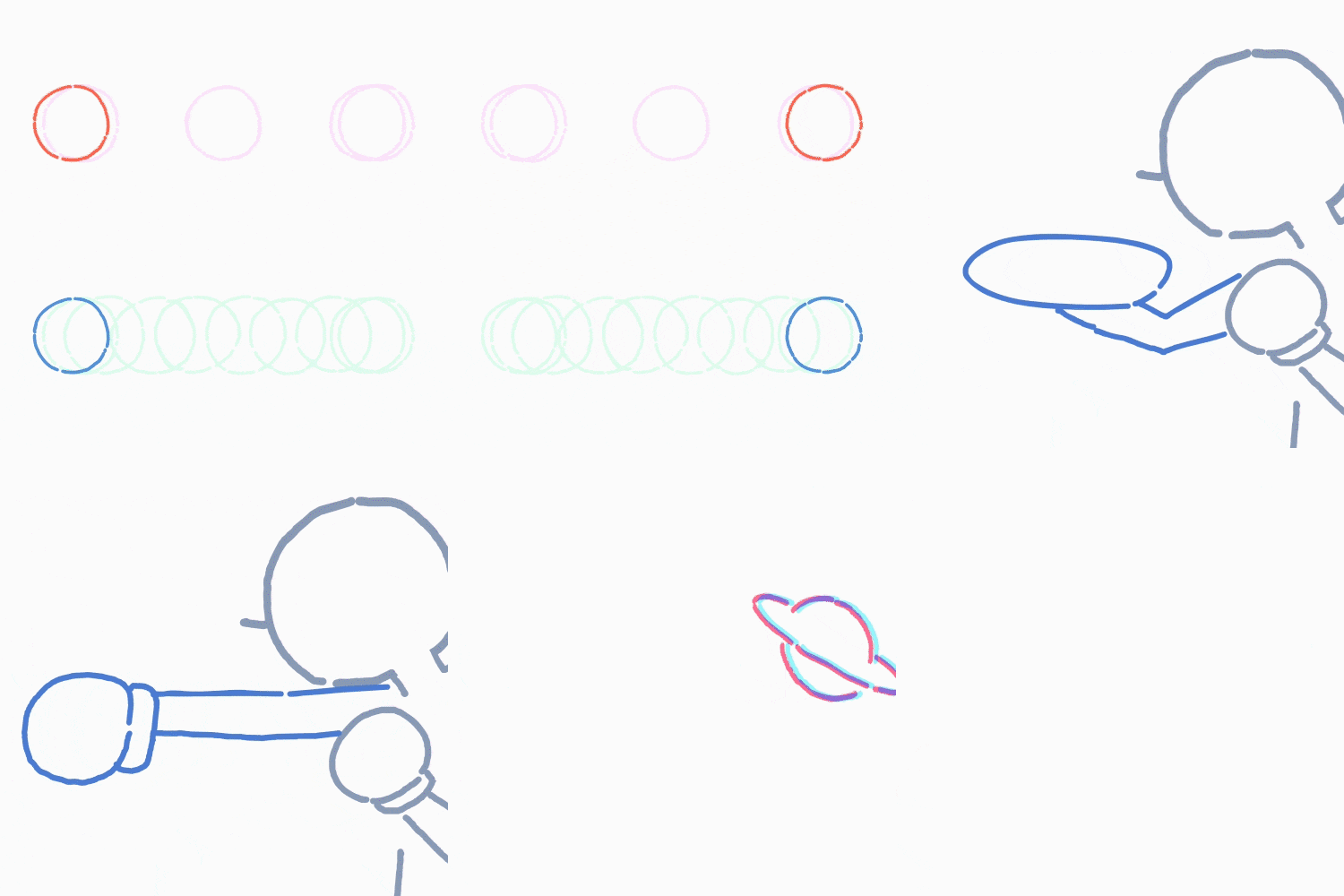
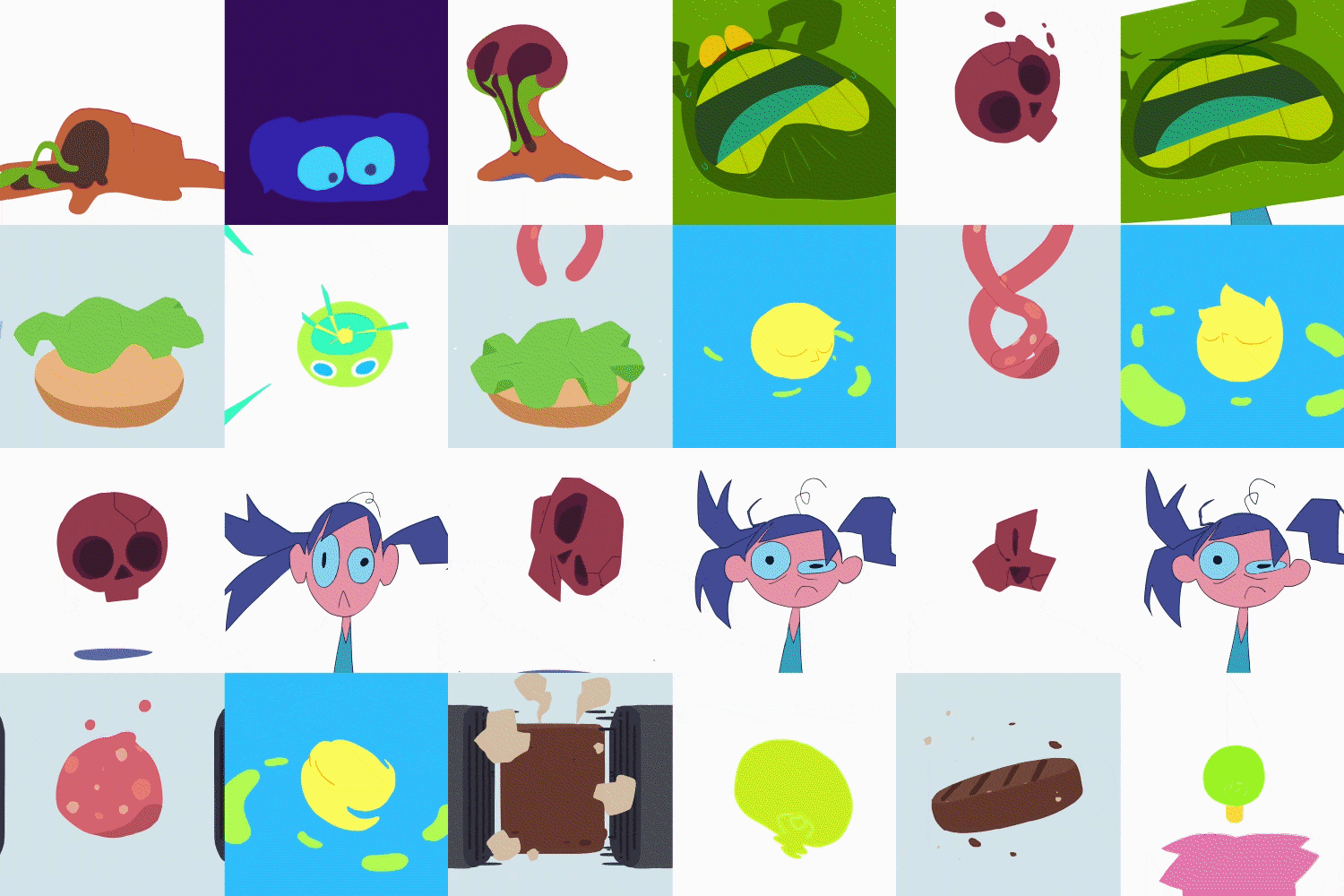
- Mastering morphing animations that move against their natural propertiesLearn the sequence and methods used to transform one object into another using the “morphing” technique, commonly found in well-made 2D animation.
- Practicing expression techniques frequently used in animationGo over the planning and production process of 2D animation through practical examples using four classic animation techniques: emotional shifts, visualizations, exaggeration, and timing.
- Analyzing good and bad examples of natural movementWe will examine the standards of good and bad movements in animation; listing common mistakes and how to fix them. This checklist will provide insights into natural movement in animation.