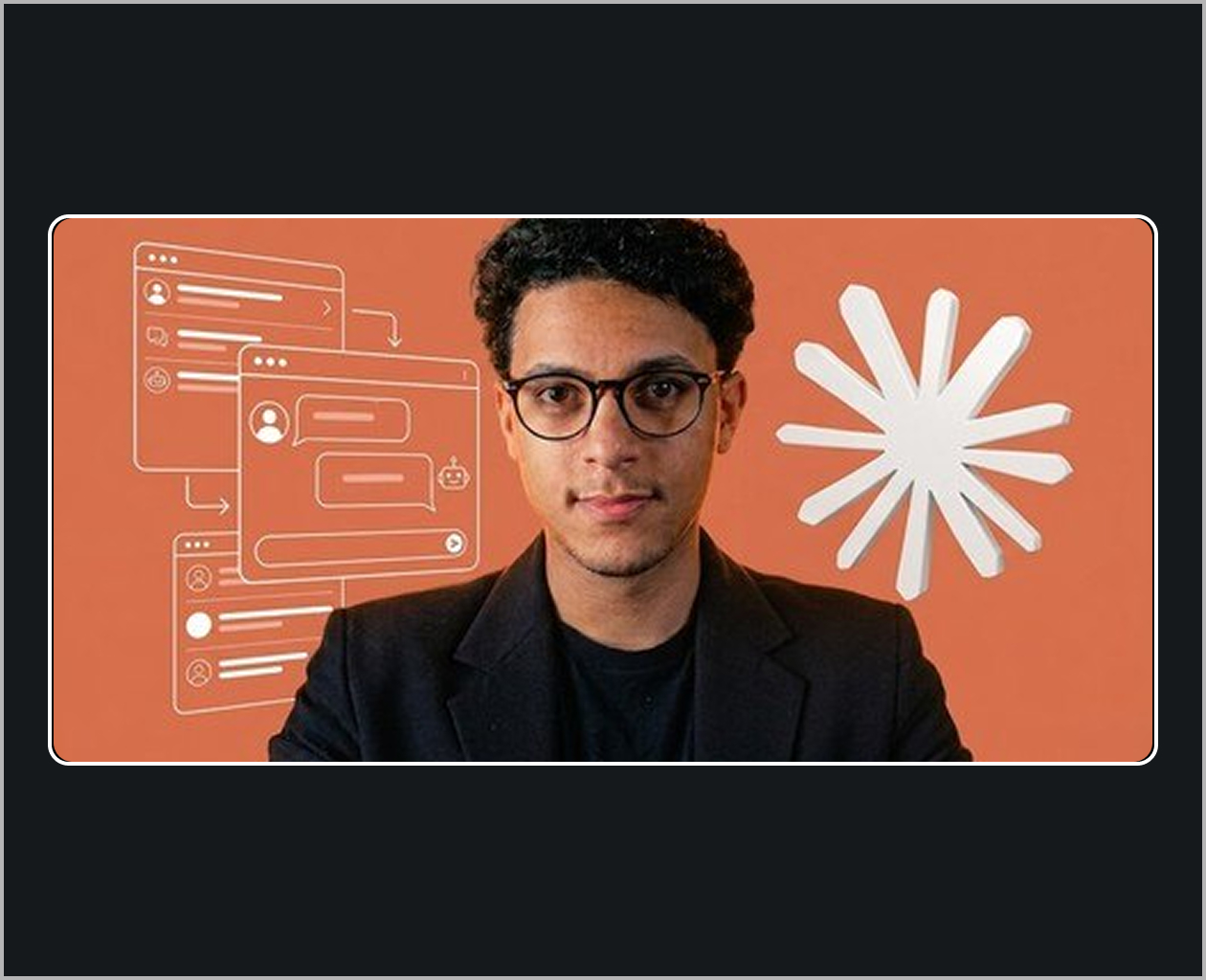
This project-driven course focuses on building, testing, and launching production-ready web applications by combining Anthropic’s developer ecosystem with modern deployment stacks. The curriculum takes you through the full development lifecycle, leveraging Claude’s code generation, debugging, and optimization capabilities to build complex software architectures rapidly.
Core Concepts & Modules
Phase 1: Local Environment Setup & Workspace Configuration
- Installing and configuring command-line developer tools and connecting to Anthropic API access tokens.
- Organizing local folder structures and code repositories to maximize context window injection when communicating with the model.
- Structuring strict system instructions to enforce consistent naming conventions, language choices, and software paradigms.
Phase 2: System Architecture Design & Boilerplate Generation
- Drafting architecture blueprints, entity-relationship diagrams, and component models using structural prompts.
- Generating full backend API frameworks (using ecosystems like Node.js/Express, FastAPI, or Go) alongside relational database models.
- Setting up front-end client applications using frameworks like React or Next.js to communicate with the data tier.
Phase 3: “Vibe Coding” Iteration & Business Logic Implementation
- Practicing modern “vibe coding” paradigms—using advanced prompting to dictate software logic, manage states, and build custom user interfaces while the AI handles the syntax.
- Modifying existing applications by providing granular error logs, stack traces, and bug-fix requests to the model.
- Implementing authentication systems, third-party webhook receivers, and core application workflows.
Phase 4: Model Context Protocol (MCP) & Testing
- Utilizing the Model Context Protocol (MCP) to securely connect your AI coding workspace with local files, documentation databases, and active terminal environments.
- Writing modular unit, integration, and end-to-end test suites dynamically to maintain high test coverage.
- Profiling memory footprints and optimizing code blocks for speed and security compliance.
Phase 5: Automated Build Pipelines & Cloud Deployment
- Containerizing your application components using Docker to ensure environmental consistency.
- Setting up automated deployment workflows via CI/CD tools to trigger software updates on every code repository commit.
- Cloud deployment configurations on target platforms like Vercel, Render, or AWS, ensuring smooth transitions from a clean sheet to a live product URL.
Who Is This For?
This course is structured for intermediate developers, software engineers, or technical founders who want to accelerate their standard development speeds. It is ideal for those seeking to automate boring syntax handling, build robust minimum viable products (MVPs), and manage end-to-end code deployments via AI-driven engineering tools.