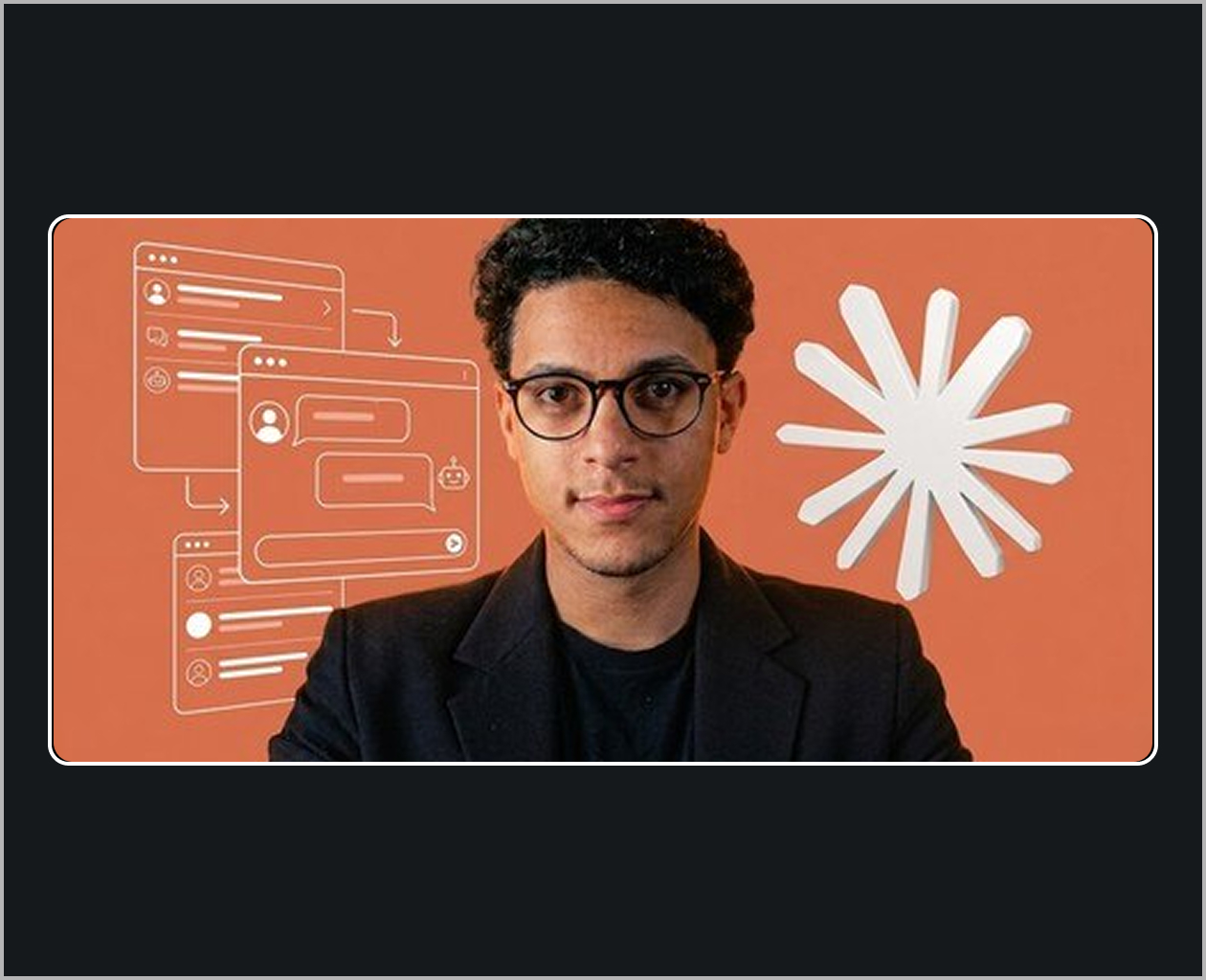
This comprehensive certification course bridges the gap between traditional software engineering and artificial intelligence. It is designed to transform you into a full-stack AI engineer capable of not just training models, but building, deploying, and scaling production-grade, AI-driven applications from frontend to backend.
The curriculum balances backend AI integration, data pipeline engineering, and frontend user interfaces to ensure you can deliver end-to-end intelligent systems.
Core Concepts & Modules
Phase 1: AI Foundations & Large Language Models (LLMs)
- Understanding foundational AI architectures, transformer models, and tokenization.
- Mastering prompt engineering, context window management, and structured JSON outputs from AI models.
- Integrating commercial and open-source models via modern APIs (such as OpenAI, Anthropic, and Hugging Face).
Phase 2: Advanced Backend & Retrieval-Augmented Generation (RAG)
- Building secure, high-performance backends using frameworks like FastAPI or Node.js to handle AI workloads.
- Implementing Retrieval-Augmented Generation (RAG) to feed custom, private data to LLMs.
- Working with vector databases (such as Pinecone, Chroma, or Milvus) for semantic search and high-dimensional embeddings.
- Utilizing orchestration frameworks like LangChain or LlamaIndex to manage complex AI agent workflows.
Phase 3: AI-Driven Frontend Interfaces
- Creating interactive, responsive web interfaces using modern frameworks like React, Next.js, or Vue 3.
- Implementing streaming responses (Server-Sent Events) to display AI chat outputs in real time, mimicking tools like ChatGPT.
- Designing component architectures for chat inputs, dynamic file uploads, and multimodal data visualizations.
Phase 4: Autonomous Agents & MLOps
- Developing autonomous AI agents capable of planning, using tools (executing code, web searching), and recovering from errors.
- Implementing evaluation metrics to monitor AI response accuracy, latency, token consumption, and cost.
- Securing applications against vulnerabilities like prompt injection and data leaks.
Phase 5: Cloud Deployment & Scaling
- Containerizing the full-stack system using Docker.
- Deploying AI applications to major cloud platforms (AWS, GCP, or Azure) with serverless or containerized environments.
- Setting up automated CI/CD pipelines to streamline code updates and model deployment.
Who Is This For?
This course is engineered for full-stack developers looking to specialize in artificial intelligence, data scientists wanting to transition into software engineering roles, and tech professionals aiming to secure official certification as an AI Engineer in a highly competitive market.